Blog list
Blog List
Learn more about optometry care and procedures in our blog!

As an optometrist, I love hearing from my patients. Yearly exams give me the privilege of keeping up with them, and many have become friends. Having been in practice for over 16 years, it is not uncommon for me to have given college students their first eye exam as a child.

Summer in Greensboro brings more opportunities for hiking, cycling, swimming, gardening, youth sports, and other outdoor activities. While these activities support an active lifestyle, they can also expose your eyes to stronger sunlight, airborne debris, allergens, wind, and dry conditions. A summer eye check can identify vision changes and eye health concerns before they interfere with the activities you enjoy.
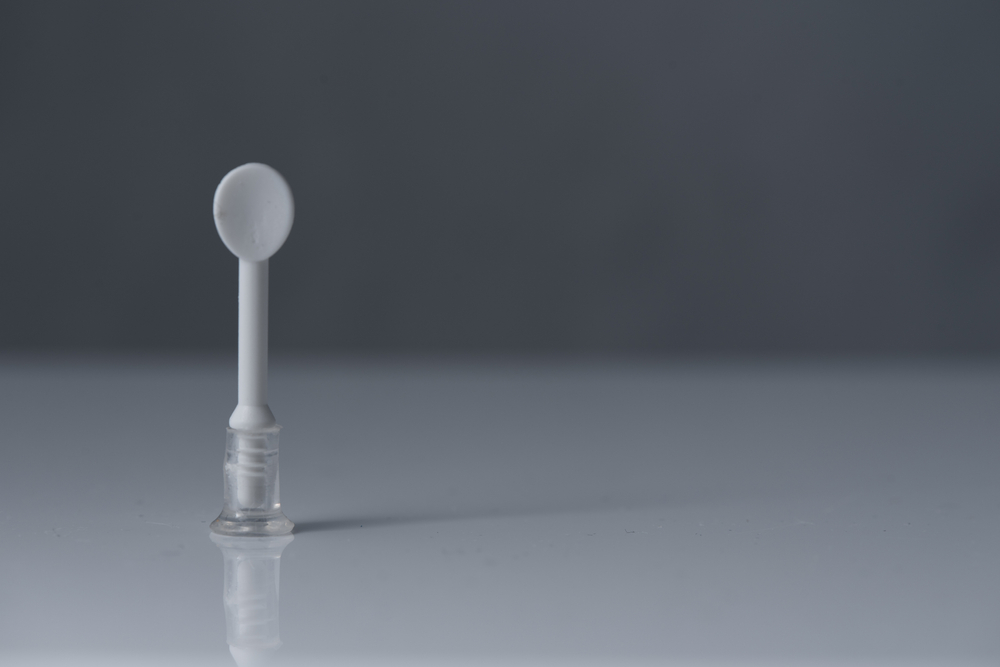
For many people, soft contact lenses provide clear, comfortable vision. But not every eye fits into a standard lens design. If you have irregular corneas, chronic dry eye, keratoconus, high astigmatism, or a history of eye surgery, regular contacts may shift, dry out, blur, or feel uncomfortable throughout the day.
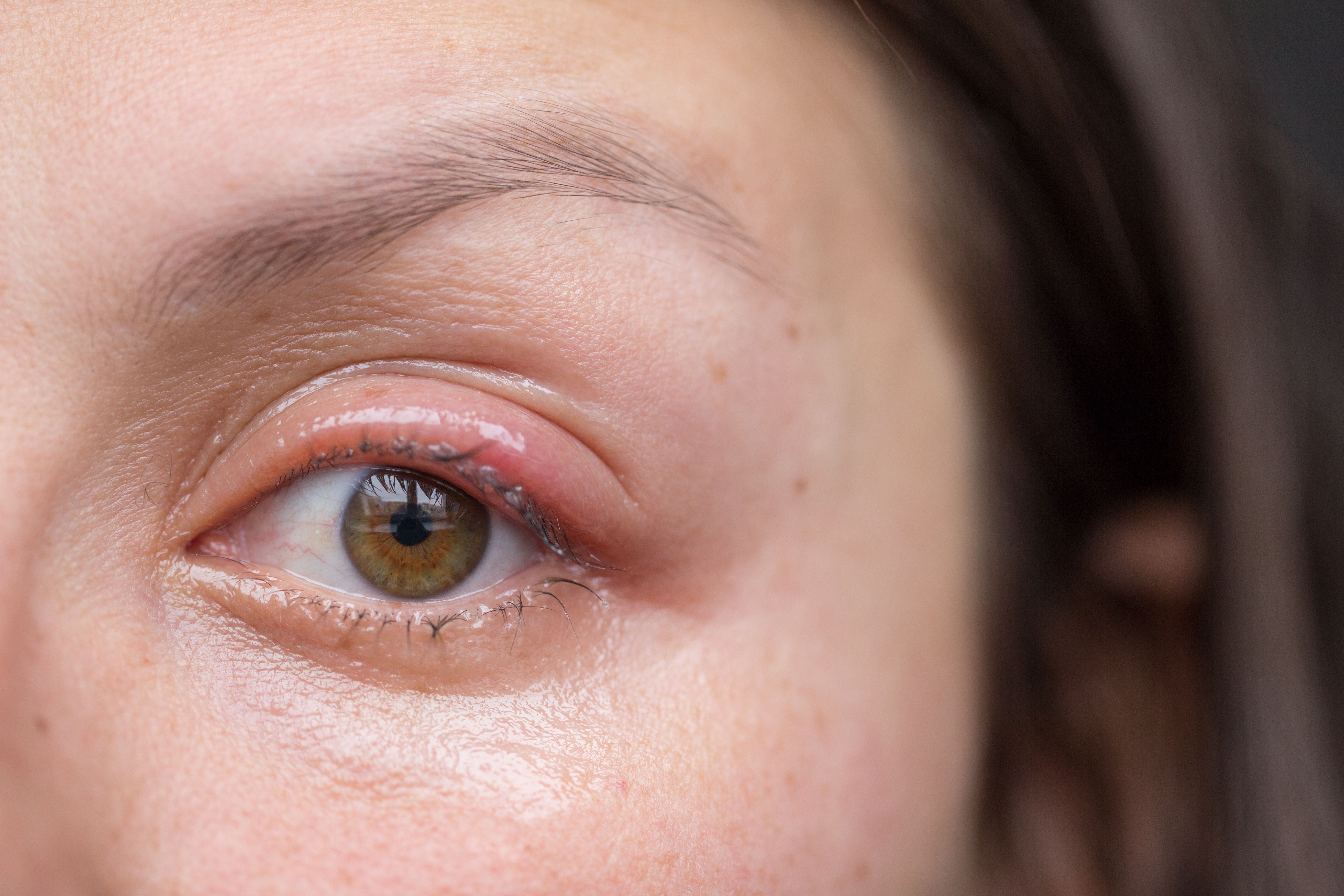
If your eyes often feel itchy, irritated, crusty, or look red along the eyelids, you may be dealing with blepharitis. This common eye condition affects the eyelid margins and can be both frustrating and persistent. While blepharitis is rarely sight-threatening, it can significantly impact your comfort and quality of life if left untreated.

Are you trying to pick between glasses and contacts? Many people around the world face this dilemma every year, so you are not alone. The question of which of the two is perfect for everyone has no specific answer, since everyone is different. Your friend might love their contacts, while you cannot stand anything touching your eyes.

Cataracts are one of the most common eye conditions affecting millions of people, particularly as they age. A cataract occurs when the lens of your eye becomes cloudy, impacting your vision. Recognizing the signs and symptoms early can make a significant difference in treatment outcomes and maintaining your quality of life. At Battleground Eye Care, we believe in empowering our patients with the knowledge to safeguard their eye health.

Dry Eye Syndrome is a common condition that affects millions of people worldwide. While occasional dryness in the eyes is normal, persistent discomfort may indicate an underlying issue that requires professional attention. Understanding the causes, symptoms, and treatment options can help you protect your vision and maintain long-term eye health.

Are you thinking about switching from glasses to contact lenses, or trying contacts for the very first time? It’s natural to have questions about what the adjustment process will be like. Here’s what you should know as you begin your journey with contact lenses.

When it comes to vision correction, most people are familiar with soft contact lenses and eyeglasses. But for individuals with certain eye conditions or unique vision needs, standard solutions may not provide the comfort or clarity required. At Battleground Eye Care, we often recommend scleral lenses for patients who need a more specialized approach to vision correction.

Understanding the difference between a regular eye exam and a contact lens exam is crucial. This is particularly important if you are considering getting contacts or already wearing them. Both exams can help an eye doctor assess a patient’s vision and eye health. However, they focus on meeting different needs of a patient.


INTERESTED IN OUR SERVICES?
Contact us now!
Request appointment with this form to schedule a time with our professional staff!
Phone: (336) 564-6800
Fax: (336) 282-5325
- Monday1:00 PM - 7:00 PM
- Tuesday8:00 AM - 1:00 PM2:00 PM - 5:30 PM
- Wednesday8:00 AM - 1:00 PM2:00 PM - 5:30 PM
- Thursday8:00 AM - 1:00 PM2:00 PM - 5:30 PM
- Friday8:00 AM - 1:00 PM
- Saturday & SundayClosed
-
Closed Saturday and Sunday
Powered by: